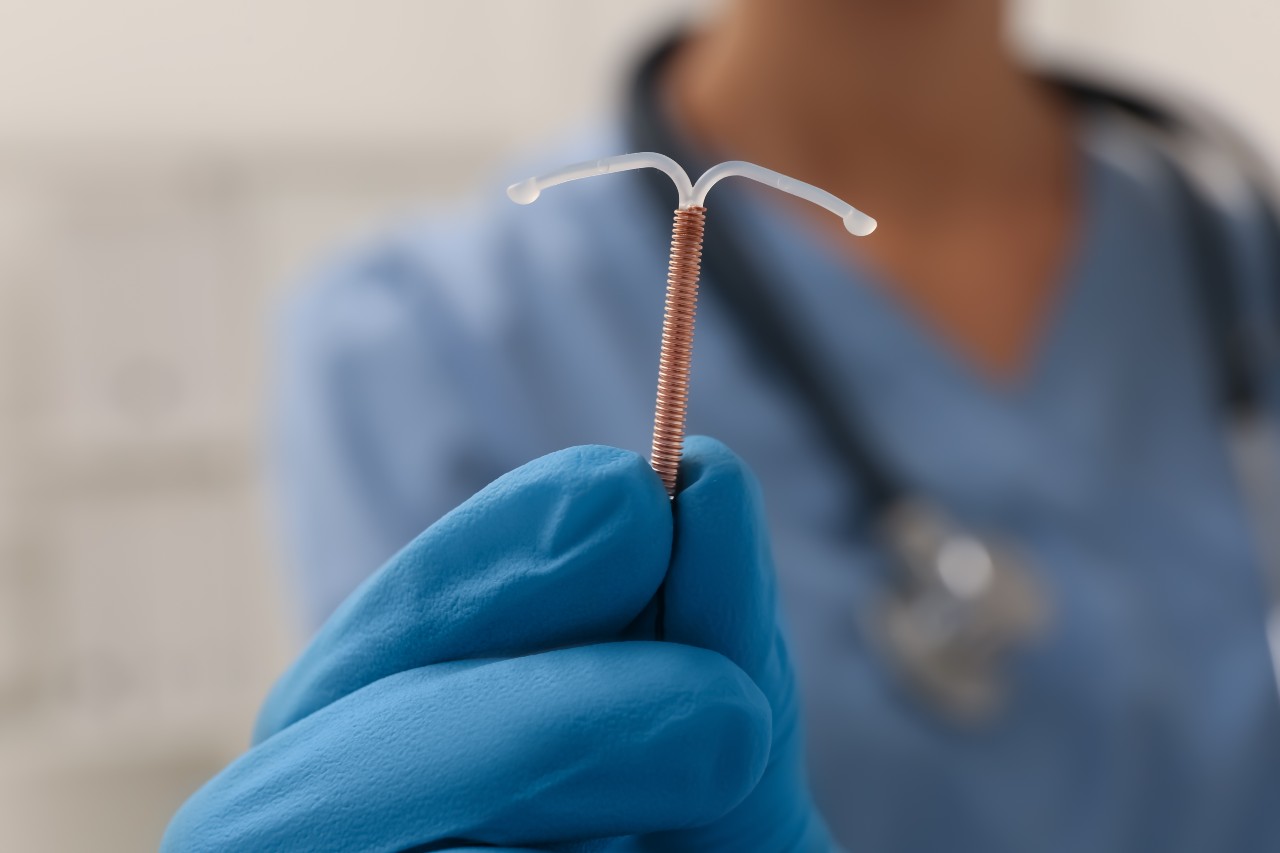
Paragard is a non-hormonal intrauterine device (IUD) that has been marketed as a safe, effective birth control option for women seeking an alternative to hormonal contraceptives. The T-shaped copper device works by continuously releasing copper ions into the uterine environment, creating conditions that prevent sperm from reaching and fertilizing an egg. Designed to remain effective for up to 10 years, Paragard has been promoted as a convenient “set and forget” contraceptive option.
The device consists of a polyethylene frame with copper wire wrapped around the vertical stem and two horizontal arms that help anchor it within the uterus. In theory, when a woman decides to have the device removed, a healthcare provider should be able to grasp the attached strings and easily extract the intact IUD in a simple office procedure.
However, thousands of women have experienced a serious complication: the arms of the Paragard IUD can become brittle over time and break off during removal attempts. When breakage occurs, the sharp plastic fragments can become embedded in the uterine tissue, requiring more invasive procedures to remove, including:
- Hysteroscopy (using a camera to locate and remove fragments)
- Laparoscopy (more invasive surgery requiring abdominal incisions)
- Dilation and curettage (D&C)
- In severe cases, hysterectomy (complete removal of the uterus)
Medical research published in The Journal of Minimally Invasive Gynecology and Contraception has documented numerous cases where Paragard breakage led to serious complications, including:
- Uterine perforation
- Pelvic inflammatory disease
- Infection and scarring
- Chronic pain
- Potential fertility issues
The FDA’s adverse event database contains thousands of reports related to Paragard breakage and complications, yet the warning label mentions this risk only briefly and inadequately. This failure to properly warn has left Tennessee women unprepared for potentially life-altering complications that could have been avoided with full disclosure of the risks.


 (901) 526-2126
 Call Us Now : (901) 526-2126