(901) 526-2126

 August 9, 2021
Dealing with the Aftermath of a Traumatic Brain Injury According to the Centers for Disease Control and Prevention (CDC), the top three…
View Article

 Call Us Now : (901) 526-2126
March 15, 2022
Call Us Now : (901) 526-2126
March 15, 2022There is one test that doctors can use to determine how severe a brain injury is — The Glasgow Coma Scale (GCS). The GCS uses a scoring system that assesses the level of consciousness in a brain injury victim. The result can help medical professionals determine the best way to treat a person’s brain injury as well as make an assessment of recovery time and prognosis. Read on to learn how the GCS works.

Start With a Free, No
Obligation Consultation
The GCS scoring system is used to measure the following functions and level of consciousness:

Get a free case review
today. There’s no fee
unless we win!
Using the GCS scoring system above, the patient’s brain injury may be classified into one of three types of brain injuries: mild, moderate, and severe. While mild brain injuries such as a concussion can cause temporary symptoms, the long-term consequences of moderate or severe brain injuries can pose cognitive issues, physical impairments, and emotional or behavioral problems.
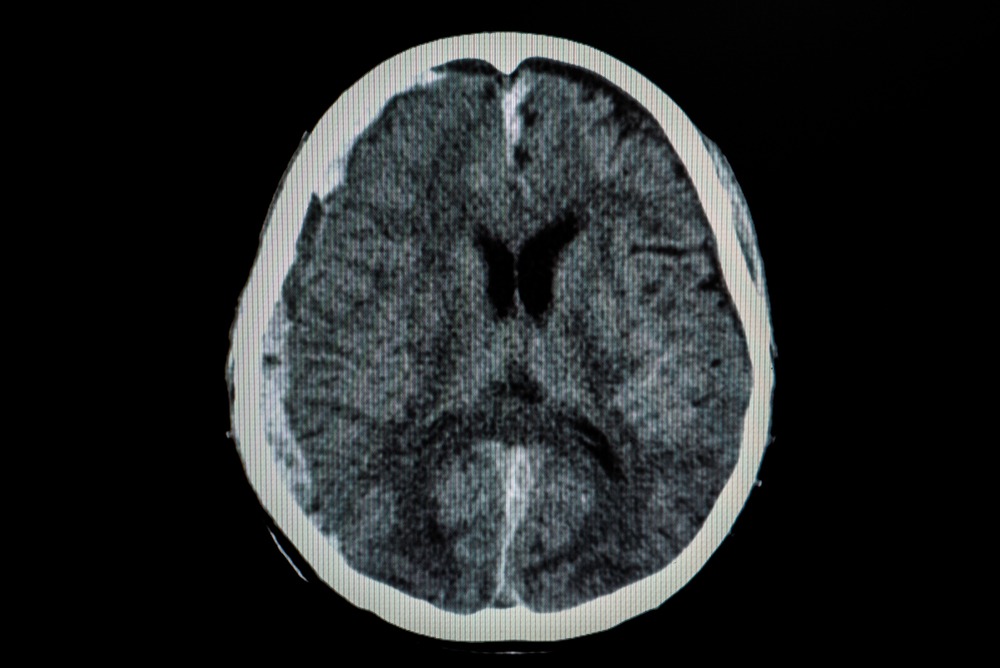
It’s important to understand that the GCS is just one tool to help doctors determine how a brain injury should be treated. Other diagnostics are also used in conjunction with the GCS, such as MRIs and CT scans.

Over $500 Million
Recovered on Behalf
of Our Clients
Brain injuries are never to be taken lightly. Whether mild, moderate, or severe, it can lead to long-term complications and have an impact on someone’s life forever. If you’ve suffered a brain injury after a car accident, our team of experienced lawyers is here to help you every step of the way. When you need to recover compensation for medical bills, lost wages, and pain and suffering, Gatti, Keltner, Bienvenu & Montesi can help you every step of the way.
It’s Easy With Montesi! Contact us today at (901) 526-2126 to schedule a consultation and learn your rights.
August 9, 2021Dealing with the Aftermath of a Traumatic Brain Injury According to the Centers for Disease Control and Prevention (CDC), the top three…
View Article August 16, 2021The Long Road to TBI Recovery Whether you’ve sustained a traumatic brain injury (TBI) from a car accident, fall, or another type…
View Article