 (901) 526-2126

 June 23, 2023
There is no telling when a hit-and-run accident will occur. If someone hits your vehicle and flees the scene, you need to…
View Article

 Call Us Now : (901) 526-2126 April 19, 2024

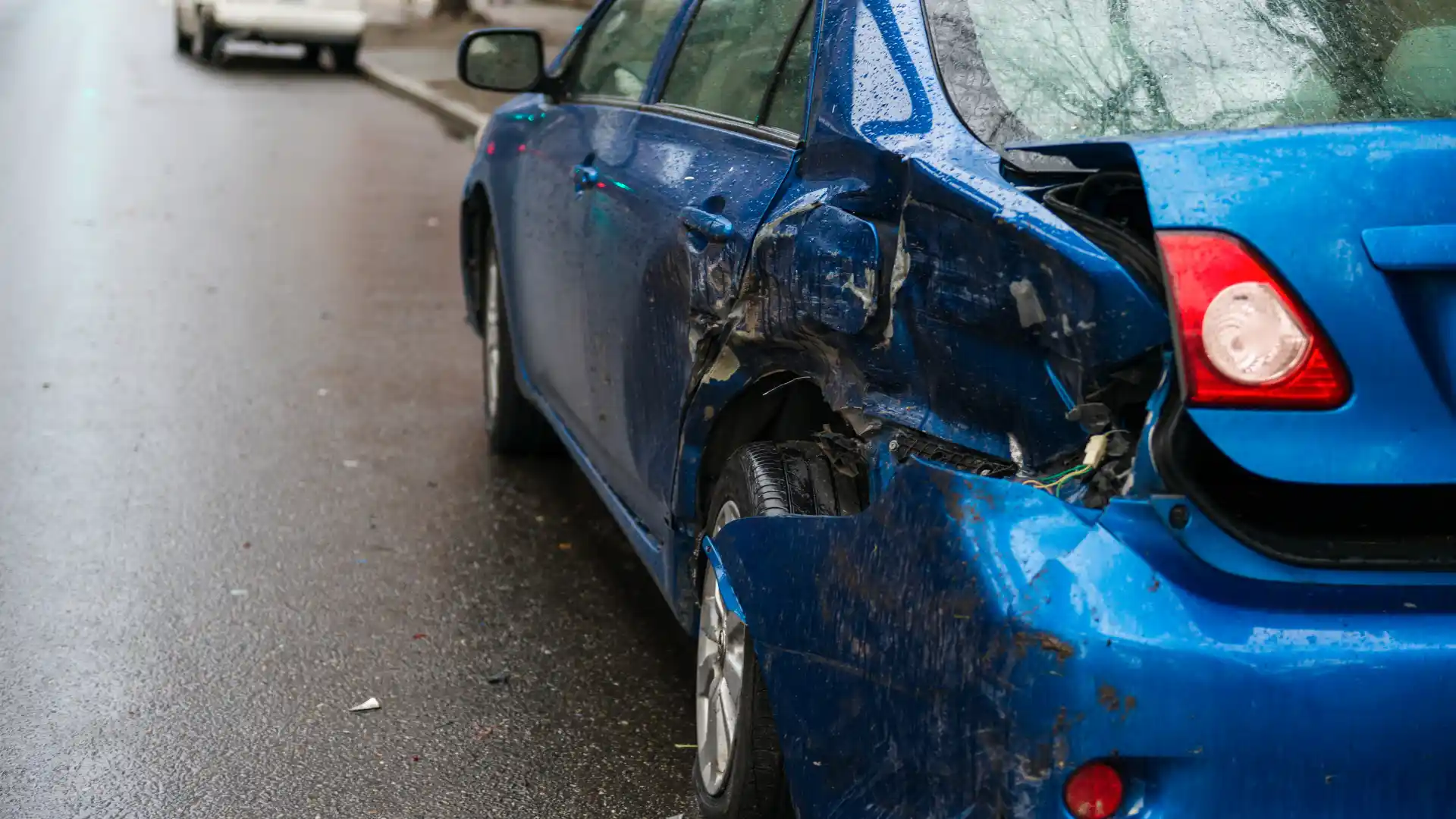
Being the victim of a hit-and-run accident is a frightening and frustrating ordeal. In addition to dealing with injuries and property damage, you also have to worry about whether the police will find the driver who fled the scene. How long does a hit-and-run investigation take? Understanding the duration of hit-and-run accident investigations and how they work can give you a better idea of what to expect in your case.
In Tennessee, it is a crime to leave the scene of a traffic accident involving property damage, injury, or death. Drivers must stop immediately, render aid to injured parties, exchange information with the other driver, and notify law enforcement if necessary – penalties for fleeing the scene range from misdemeanors to felonies, depending on the accident’s severity.
Despite these serious consequences, hit-and-run accidents are sadly common in Memphis and throughout Tennessee. Drivers may flee because they are intoxicated, have a warrant out for their arrest, lack a valid license or insurance, or simply panic. Regardless of their reasons, these drivers can face criminal charges and civil liability for the injuries and damage they cause.

Start With a Free, No
Obligation Consultation
Yes, law enforcement takes all hit-and-run accidents seriously, even those that only cause property damage. Calling the police is the first thing you should do when in a hit-and-run accident. Officers must investigate any crash where a driver flees the scene. Tennessee law requires accident victims to report accidents involving injury, death, or property damage over $1,500.
Of course, the extent of the police investigation depends on the severity of the accident and the available evidence. A minor fender bender with no injuries may not receive the same level of attention as a serious crash with fatalities. However, you should always report the accident to law enforcement and your insurance company, regardless of how much damage occurred.
Police rely on various strategies and technologies to identify and apprehend hit-and-run drivers. Some common methods include:
The success of a hit-and-run investigation often depends on the quality and quantity of evidence available. The more details accident victims and witnesses can provide, the better chance police have of finding the responsible driver.

Get a free case review
today. There’s no fee
unless we win!
The timeline for a hit-and-run investigation varies widely depending on the circumstances of the crash and the workload of the police department. In some cases, officers may contact you within a few days if they have strong leads or a suspect in custody. In others, it may take weeks or even months for investigators to gather enough evidence to identify the hit-and-run driver.
It’s important to be patient and persistent in following up with law enforcement about your case. Keep track of your case number and the contact information for the investigating officer. Don’t be afraid to reach out periodically for updates on their progress on the police report.
In the meantime, you can take steps to protect your rights and start building your case against the hit-and-run driver. Gather as much evidence from the accident scene as possible. This includes photos of the damage, witness contact information, and your written account of what happened. Seek prompt medical attention for your injuries and keep detailed records of your treatment and expenses. Report the accident to your insurer to take advantage of uninsured motorist coverage you might have, which also applies to hit-and-run accidents.
No two hit-and-run investigations follow the exact same timeline. Some cases are solved within days because police quickly identify the vehicle, while others remain open for months if there are few leads. The amount of available evidence, the severity of the crash, and the resources assigned to the case all influence how long an investigation takes.
Here is what victims can generally expect during different stages of a hit-and-run investigation:
The first day is often the most important. Responding officers secure the accident scene, interview victims and witnesses, photograph vehicle damage, collect debris, and prepare an initial police report. If nearby businesses or homes have surveillance cameras, investigators may begin requesting footage before it is automatically deleted. Many security systems overwrite recordings within days, making quick action essential.
If the victim can provide a partial license plate, vehicle description, or dashcam footage, investigators may immediately begin checking vehicle registration databases and reviewing nearby traffic cameras.
During the first several days, investigators typically review available evidence in greater detail. They may:
If investigators identify a likely suspect, they may inspect the suspect’s vehicle for damage consistent with the collision before conducting interviews.
If the driver has not been identified quickly, the investigation often becomes more complex. Detectives may continue reviewing newly obtained video, analyze forensic evidence, and investigate additional leads as they become available.
At this stage, victims may receive only occasional updates because investigators generally do not release details that could compromise an ongoing criminal investigation. This does not necessarily mean the case has been abandoned.
Some hit-and-run cases remain open for months, particularly when there are serious injuries or fatalities. New evidence can surface long after the collision, such as a witness coming forward, a repair shop reporting suspicious vehicle damage, or new surveillance footage becoming available.
Although investigations can continue for an extended period, victims should not delay pursuing their insurance claim or consulting an attorney while waiting for law enforcement to identify the driver. Insurance claims and civil cases often proceed independently of the criminal investigation.
Over $500 Million
Recovered on Behalf
of Our Clients
The success of a hit-and-run investigation often depends on the quality of evidence collected immediately after the accident. Even small details can help investigators identify the fleeing driver.
Some of the most valuable evidence includes:
Victims should avoid repairing their vehicle until it has been photographed by law enforcement or their insurance company whenever possible. The damage itself may provide valuable evidence that helps reconstruct how the collision occurred.
Even if you only remember part of a license plate or a general vehicle description, report those details to the investigating officer. Small pieces of information often become significant when combined with surveillance footage or witness statements.
Unfortunately, not every hit-and-run investigation ends with the responsible driver being identified. If police are unable to locate the driver, that does not necessarily mean you are left without options.
Many drivers carry uninsured motorist (UM) or uninsured/underinsured motorist (UM/UIM) coverage, which often applies to hit-and-run accidents because the at-fault driver cannot be identified. Depending on your policy and state law, this coverage may help pay for medical expenses, lost wages, pain and suffering, and other damages resulting from the accident. Property damage coverage may also be available under certain policies.
If you have collision coverage, your insurance company may also pay for repairs to your vehicle, although your deductible may apply.
Your insurer will typically conduct its own investigation in addition to the police investigation. Insurance adjusters may review photographs, police reports, witness statements, medical records, repair estimates, and any available video footage before deciding how your claim will be handled.
Even if the driver is never found, it is still important to cooperate with both law enforcement and your insurance company by providing requested documentation and responding promptly to requests for information.
An experienced personal injury attorney can also help preserve evidence, communicate with insurance companies, and determine every available source of compensation. In some cases, additional evidence discovered during a civil investigation can eventually help identify the fleeing driver, even after the initial police investigation has slowed.
The key takeaway is that an unsolved criminal investigation does not automatically prevent you from recovering compensation. Many hit-and-run victims successfully obtain benefits through their own insurance coverage while the investigation remains open or even after law enforcement has exhausted all available leads.
Don’t know how long a hit-and-run investigation takes? Our car accident lawyers can help you answer your questions and explain your rights after a hit-and-run auto accident. Contact Gatti, Keltner, Bienvenu & Montesi today at (901) 526-2126 for a no-obligation, free consultation. Our team is here to help you move forward after a serious hit-and-run accident. With our skilled Memphis hit-and-run accident lawyers, you can focus on your healing while our law firm handles everything else.
Related Posts:
What to Do After Non-Fault Accident
June 23, 2023There is no telling when a hit-and-run accident will occur. If someone hits your vehicle and flees the scene, you need to…
View Article