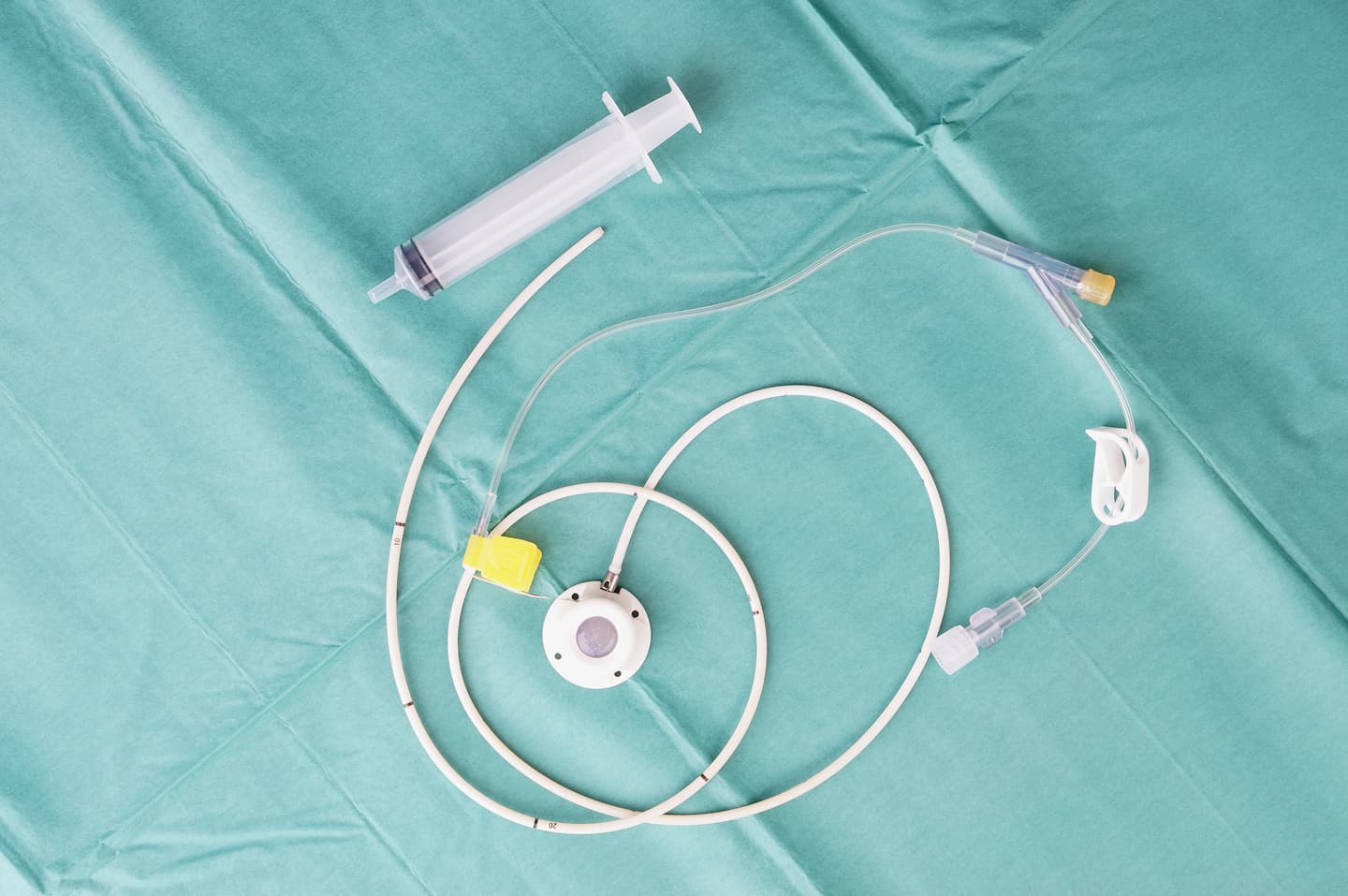
Bard PowerPort devices are implantable vascular access systems primarily used in patients requiring frequent intravenous treatments, such as chemotherapy. The system consists of a small port placed under the skin, connected to a catheter that extends to a major blood vessel, allowing medical professionals easy bloodstream access without repeated needle sticks.
Despite their intended convenience, these devices may be associated with serious complications. The FDA has received thousands of adverse event reports describing problems ranging from painful infections to potentially fatal complications. One of the most dangerous issues is catheter breakage, where pieces fracture and travel through the bloodstream, potentially causing pulmonary embolism or heart damage.
Medical research published in the Journal of Vascular Access has identified significantly higher complication rates with certain Bard PowerPort models compared to alternative devices. Documents uncovered during litigation suggest Bard may have been aware of design and manufacturing issues but failed to adequately address them.
For many patients, these device failures may have resulted in emergency surgeries, extended hospitalizations, and ongoing medical complications that have significantly impacted their health, finances, and quality of life.


 (901) 526-2126
 Call Us Now : (901) 526-2126