It's Easy With Montesi!

Memphis Dexcom G6 Glucose Monitor Lawyer

  • 50+ Years of Legal Experience
  • No Fees Unless We Win Your Case
  • Available 24/7 for Immediate Support
Contact us for a free case review

    Proven Track Record
    See more results
    $9.70M
    Mass Tort Litigation
    $9.00M
    Vehicle Rollover
    $6.79M
    Tractor-Trailer Accident
    $5.50M
    DUI Car Accident
    $5.00M
    Fatal Car Accident

    Tennessee Dexcom G6 Injury Lawsuits

    Defective glucose monitors may have failed Tennessee patients, causing serious injuries when alerts didn’t sound. Our attorneys are investigating these cases. Check to see if you qualify now.

    The Dexcom G6 Continuous Glucose Monitoring System promised Tennessee diabetic patients freedom from constant finger pricks while providing crucial alerts for dangerous blood sugar levels. This technology represented a significant advancement in diabetes management, offering users greater independence and the security of knowing they would receive warnings before their glucose reached dangerous levels.

    Unfortunately, this promise of safety has proven false for many patients. Numerous Dexcom G6 users across Tennessee and nationwide may have experienced severe medical emergencies when their devices failed to sound alerts despite dangerous blood sugar levels. These failures may have resulted in hospitalizations, permanent injuries, and traumatic health crises that might have been prevented with functioning alerts.

    At Gatti, Keltner, Bienvenu & Montesi, our experienced Tennessee glucose monitor lawsuit attorneys are investigating claims from patients harmed by these defective medical devices. If you or a family member suffered a serious health emergency because a Dexcom G6 monitor failed to alert you to dangerous glucose levels, you may be entitled to significant compensation. Our instant case evaluation can help determine if you qualify for a claim.

    monitor3

    What Is the Dexcom G6 and Why Is It Dangerous?

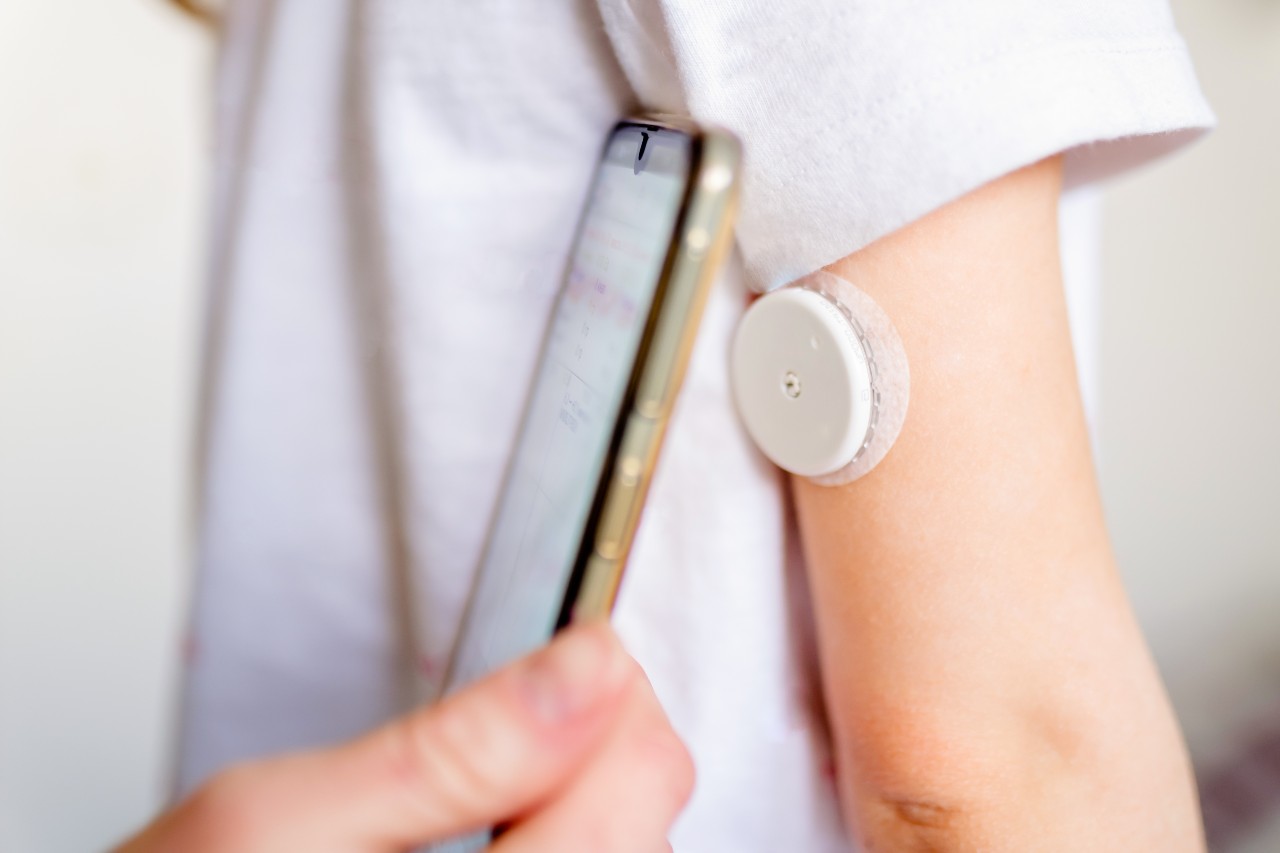
    The Dexcom G6 Continuous Glucose Monitoring System uses a small sensor inserted beneath the skin to automatically measure glucose levels every five minutes. This data transmits wirelessly to a smartphone or dedicated receiver, allowing users to view their current glucose readings and trends. The system’s most important safety feature is its alert function, which warns users when glucose levels approach dangerous thresholds.

    The danger emerges when this critical alert system fails. Many patients have reported incidents where their Dexcom G6 did not sound alarms despite blood sugar levels reaching dangerously high or low readings. Without these crucial warnings, patients have suffered severe hypoglycemic events resulting in unconsciousness, seizures, and emergency hospitalization. Others have experienced dangerous hyperglycemic episodes that progressed to diabetic ketoacidosis because they received no alerts from their devices.

    The FDA recognized these serious problems in 2019 when it issued a Class 1 recall—its most serious designation—for certain Dexcom G6 receivers due to their failure to sound potentially life-saving alarms. A Class 1 recall indicates “a situation in which there is a reasonable probability that the use of, or exposure to, a violative product will cause serious adverse health consequences or death.”
    Medical research in the American Diabetes Association’s journal Diabetes Care has documented that continuous glucose monitor alert failures significantly increase the risk of severe hypoglycemic events.

    For patients with hypoglycemic unawareness who cannot physically feel when their blood sugar drops to dangerous levels, functioning alerts aren’t just a convenience, they’re a crucial safety mechanism. When these alerts fail, patients can experience rapid deterioration leading to unconsciousness or worse before they realize there’s a problem.

    glucose-and-insulin

    Legal Basis for Filing a Claim

    Tennessee patients harmed by defective Dexcom G6 glucose monitors have several strong legal grounds for seeking compensation. Our Tennessee glucose monitor attorneys understand the complex legal theories that apply to medical device failures and how to effectively hold manufacturers accountable for the harm they cause.

    Defective Design

    Dexcom G6 lawsuits allege potentially fundamental flaws in how the monitoring system was designed. The alert system fails in foreseeable situations, creating an unreasonable danger to patients.

    Manufacturing Defects

    Quality control problems in production may have compromised device reliability. Inconsistent manufacturing standards led to glucose monitors that fail to function properly when needed most.

    Failure to Warn

    Evidence suggests Dexcom may have known about alert system failures but failed to adequately warn patients about this potentially life-threatening issue, constituting negligence.

    Breach of Warranty

    Dexcom explicitly guaranteed their G6 system would reliably alert users to dangerous glucose levels. When this core function fails, it breaches warranties made to patients.

    Who Qualifies to File a Glucose Monitor Lawsuit?

    You may qualify to file a Dexcom G6 lawsuit if you or a loved one has suffered harm due to this defective medical device. Our Tennessee glucose monitor lawyers are currently evaluating cases that meet specific criteria to determine which patients have valid claims for compensation.

    To have a qualifying case, you must have been using a Dexcom G6 continuous glucose monitoring system as prescribed by your healthcare provider. Documentation showing you were prescribed the device and were using it as directed will be necessary to establish your claim.

    Additionally, you must have experienced a significant health emergency related to the device’s failure. This typically means you required emergency medical treatment or hospitalization due to severe hypoglycemia (low blood sugar) or hyperglycemia (high blood sugar) because the Dexcom G6 failed to alert you to dangerous glucose levels. The strongest cases involve serious complications such as loss of consciousness, seizures, diabetic ketoacidosis, or other severe outcomes.

    Medical evidence connecting your health emergency directly to the device failure is crucial for your case. This may include emergency room records, hospitalization documents, or doctor’s notes indicating that the Dexcom G6 did not provide alerts despite dangerous glucose levels.

    The timing of your injury matters for legal purposes. Tennessee law generally provides a one-year statute of limitations for personal injury claims, meaning you must file your lawsuit within one year of discovering your injury was caused by the defective device.

    Patients who suffered the most severe injuries—those requiring extended hospitalization, resulting in permanent health effects, or causing substantial financial losses—typically qualify for more significant compensation. However, even less severe cases may have valid claims if there’s clear evidence linking the injury to a device failure.

    If you’re uncertain whether your situation meets these criteria, our online case evaluation can quickly determine your eligibility to pursue a Dexcom G6 lawsuit.

    monitor5

    Steps to Take if You've Been Harmed by Dexcom G6

    If you’ve suffered harm due to a Dexcom G6 failure, taking proper steps now can protect both your health and legal rights. Our Tennessee glucose monitor lawsuit attorneys recommend these important actions to strengthen your potential claim.

    Medical Treatment

    Seek immediate medical care for any serious blood sugar event. Ensure doctors document that your emergency resulted from a glucose monitor failure to create essential medical evidence.

    Save Your Device

    Keep your defective Dexcom G6 monitor and all components. This physical evidence may be crucial for proving the device malfunctioned and caused your injuries.

    Document Everything

    Record all details about the incident, including symptoms experienced, time of onset, lack of alerts, and medical response. This contemporaneous documentation strengthens your case

    Legal Evaluation

    Complete our quick, online case evaluation to determine if you qualify for compensation. Tennessee’s one-year statute of limitations means prompt action is essential.

    Get Your Instant Case Evaluation

    Don’t wait to find out if you qualify for compensation in the Dexcom G6 lawsuit. Tennessee’s one-year statute of limitations means your time to file a claim could be running out. Our instant case evaluation takes just minutes to complete and can immediately determine if you have a valid claim. If you or a family member suffered a serious health emergency because a Dexcom G6 failed to alert you to dangerous glucose levels, you deserve answers and justice. Take the first step today.

    Check Your Eligibility Now
    Memphis
    219 Adams Ave
    Memphis, TN 38103

    Office Hours Get Directions
    Germantown
    1217 S Germantown Rd
    Germantown, TN 38138

    Office Hours Get Directions
    One Call, That’s All.
    Dial (901) 526-2126 Today

    Whether you come to see us in Memphis or we travel to meet with you in your home or at the hospital, the consultation is free — no strings attached. Our phones are answered 24 hours a day. You can also contact us online at any time.

    cta

    Get a free case review
    today. There’s no fee
    unless we win!

    Memphis Personal Injury Blog Posts:
    Heart Conditions That Qualify for Social Security Disability in Memphis, TN

    Living with a serious heart condition makes it difficult to work and earn a living. The Social Security Administration recognizes that certain…

    View Article
    Gatti Keltner Bienvenu Montesi PLC

    When you apply for Social Security Disability Insurance (SSDI), the Social Security Administration needs concrete evidence that your medical conditions prevent you…

    View Article
    Gatti Keltner Bienvenu Montesi PLC

    Having a serious medical condition doesn’t automatically mean you’ll receive Social Security Disability Insurance (SSDI) benefits. The Social Security Administration (SSA) denies…

    View Article
    Contact Our Firm Today

    Start With a Free, No-Obligation Consultation

      Contact us for a free case review
      divider-icon